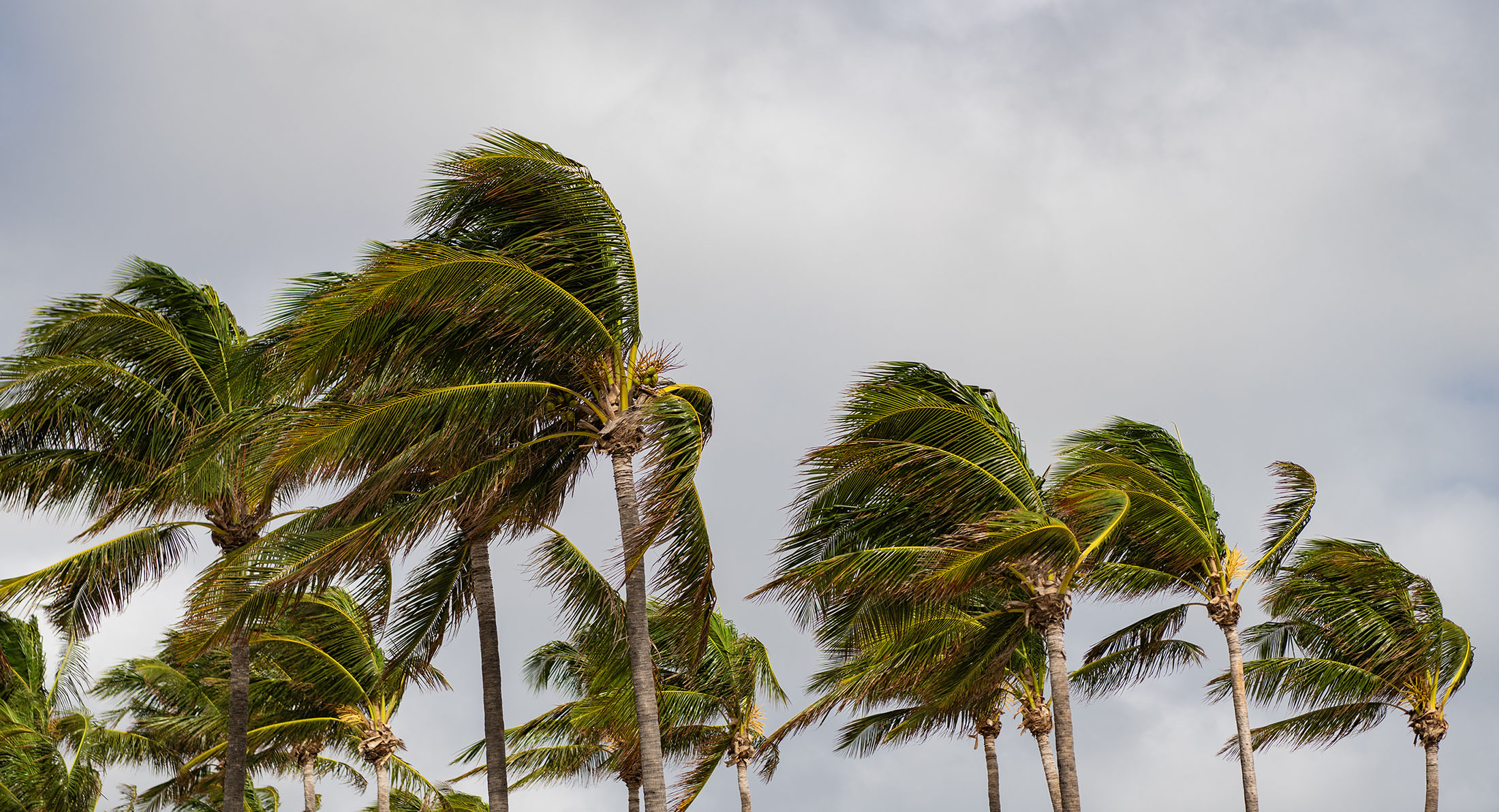
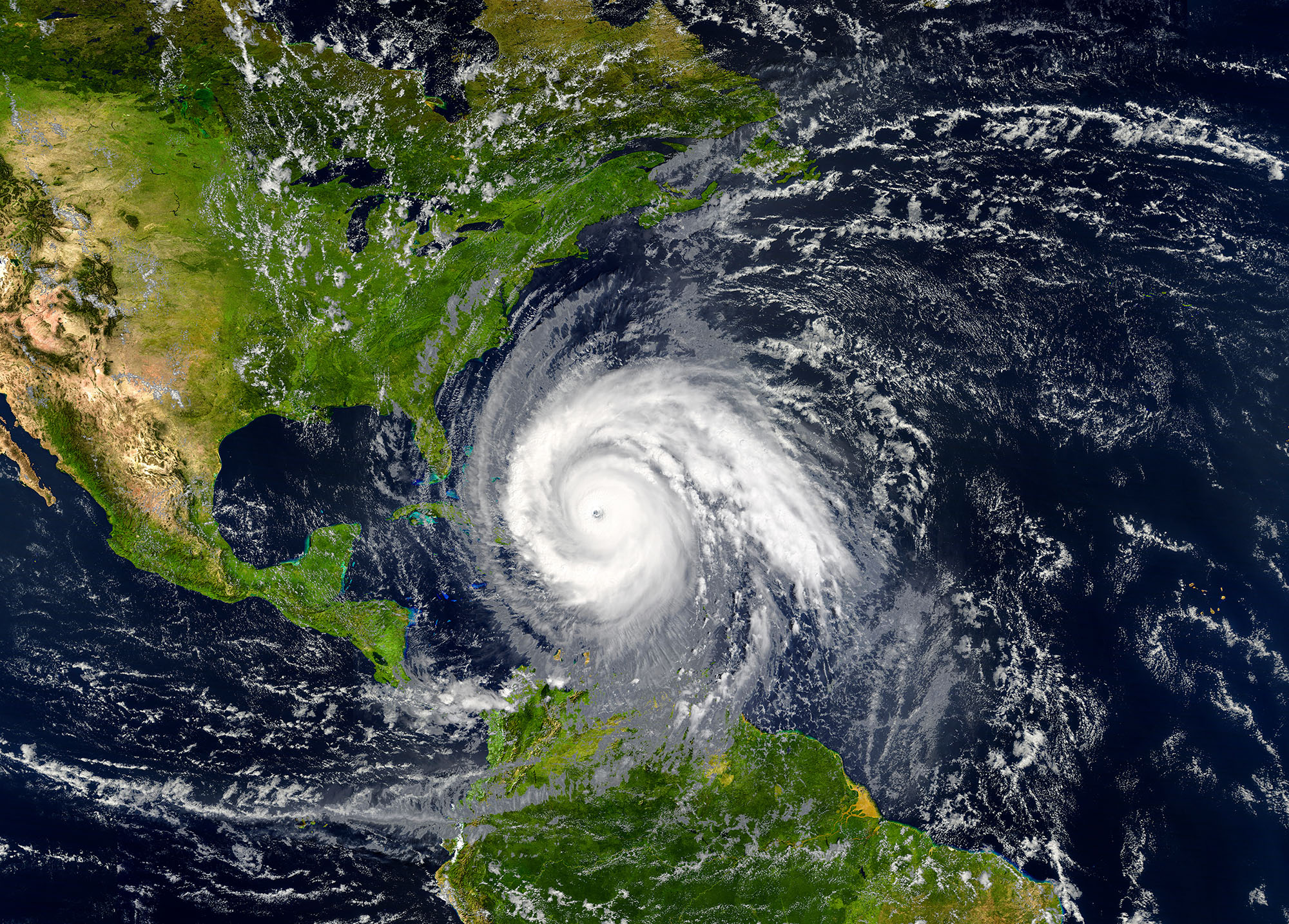
Hurricane season begins June 1st and ends on November 30th each year. Peak season (generally speaking) is August and September.
Here is a checklist to assist you in thinking about things you may want to consider.
- Your hurricane plan
- Insurance contracts
- Community Operational Plan
- Emergency contact list
- Educating owners and residents on insurance coverage
- Backing up and storing records
- Allocating debris storage s
- Providing residents with evacuation and emergency shelter information
- Shutting off propane tanks
- Communicating to residents need to evacuate
- Communication with residents is safe to return.
- Use water only when authorities declare it safe.
- For power updates contact local power company
- Assist ill or disabled household members in planning with their doctor.
- Relocate early to avoid traffic and dangerous winds.
- Pack required items (e.g., prescriptions, bedding, food, flashlights, battery radio, etc.).
- Arrange for pet care, no pets allowed in public shelters.
- Clear all terraces, patios balconies – prevent flying debris.
- Place rolled towels around the base of glass doors and windows.
- Close blinds to prevent shattering glass; do not tape windows.
- Fill bathtub with water for drinking or flushing toilets in the event water service is not functional.
- Fill all vehicles with gas.
- Owners should be notified of “right of access statute” – protect overall community interest.
- Avoid fire hazards by using flashlights instead of candles or kerosene lamps.
- Take necessary precautions to prevent fires.
- Notify your insurance carrier as soon as possible if you sustained damage.
- Contact local authorities for power updates.
- Cook with caution if using open flames.
- Know evacuation zones and have a plan for where you will go.
- Select pre-screened vendors for tree trimming, shutter installation, and debris removal.
- Ensuring critical information from board to residents is quick, concise, clear, and timely.
- Tread carefully, debris, snakes, gators, and lots of compromised structures can be hazardous.
- Patient is a virtue; cleanup efforts require coordination across a myriad of vendors and agencies.
- Do not go near downed power lines and report them immediately.
- Continue listening to the County Warning System
- Do not go outside until advised safe to do so.
- Do not operate generators or propane tanks inside apartments, breezeways, or patios.
- Switch circuit breakers and A/C units to the off position to avoid damage from power surges.
- Use cell phones for emergencies only.
- Keep refrigerator and freezer doors closed to preserve food.
- Remain indoors until the official announcement “it is safe to go outdoors.”
- Store important documents in waterproof containers.
We hope this provides information to assist in your thought process, planning, and preparation on behalf of your community.
Contact your local and state agencies for additional information regarding disaster preparedness and recovery assistance.
- State Emergency Response Team (SERT)
- Federal Emergency Management Assistance (FEMA)
- Florida Small Business Development Center (SBDC)
- Florida Division of Emergency Management (FDEM)
- Florida Department of Health (FLDOH)
- Florida Disaster.org
- State of Florida Emergency Assistance Hotline 1- 800-342-3557
The association board should consult with their legal counsel to ensure they are not in violation of any applicable laws.